

Unpicking the Puzzle: A Comprehensive Guide to Researching Gas Engine Parts
When it comes to maintaining or upgrading your power plant's gas engine, making informed decisions on parts is crucial. As a responsible plant operator, you want to ensure your equipment runs smoothly and efficiently. This article will walk you through the essential steps to research gas engine parts, helping you find the right fit and understand what to look for.
1. Understanding Your Engine: Start by familiarizing yourself with your engine's make, model, and year. This information will help you identify the specific parts needed and determine compatibility. Look up the engine specifications online or consult the owner's manual for a clear overview.
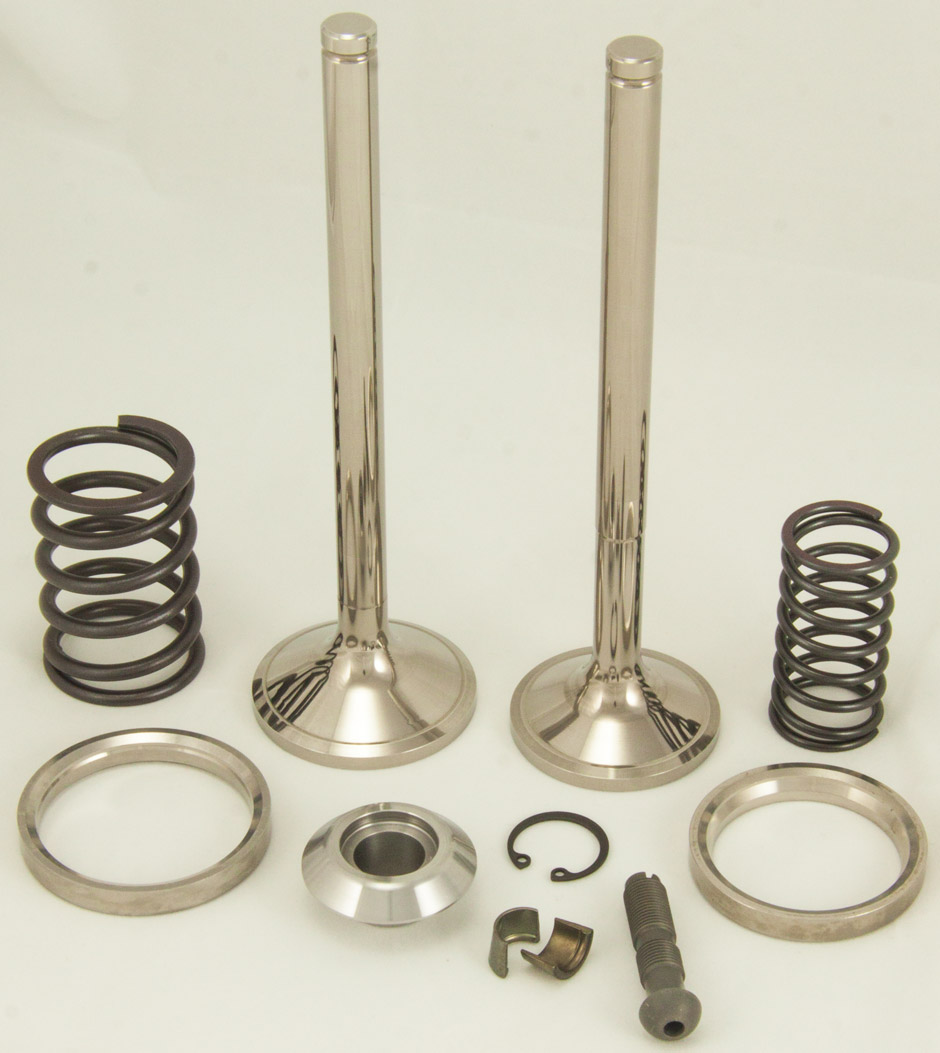
2. Types of Gas Engine Parts: There are several key components to consider, including pistons, cylinders, valves, bearings, spark plugs, fuel injectors, and exhaust systems. Each plays a vital role in the engine's performance, so understanding their functions will guide your search.
3. Quality Matters: Don't settle for low-quality parts that may compromise performance or longevity. Look for reputable brands known for their durability and reliability. Check reviews from other users and industry experts to gauge the quality of the parts you're considering.
4. Compatibility and Standards: Ensure the parts you choose meet industry standards and are compatible with your existing setup. Incompatible parts can lead to issues like misfires, leaks, or even engine damage. Consult your engine manual or reach out to manufacturers for guidance.
5. Specifications and Dimensions: Pay close attention to part dimensions, such as bore size, stroke length, and clearance. Learn More Here can cause problems during installation, so double-check before purchasing.
6. Performance Enhancements: If you're looking to improve performance, consider upgrading to high-performance parts like forged pistons or high-flow intake manifolds. Just remember that these upgrades might require modifications to other components or tuning.
7. Maintenance and Replacement Cycles: Some parts have set maintenance intervals or wear rates. Knowing when to replace certain components can save you money in the long run by avoiding premature failures.
8. Warranty and Support: Look for parts with a warranty, ideally from the manufacturer or a trusted supplier. A warranty gives you peace of mind and ensures you can return or exchange faulty items. Additionally, good customer support is invaluable for troubleshooting and advice.
9. Price vs. Value: Compare prices across different suppliers, but don't forget to consider the overall value. Cheaper parts may seem attractive initially, but investing in higher-quality components can save you time and money on repairs down the road.
10. Installation Considerations: Before purchasing, make sure you or your team have the skills and tools to install the parts properly. If unsure, consult a professional or seek guidance from the part manufacturer.
By following these steps, you'll be well-equipped to research and select the best gas engine parts for your power plant. Remember, a well-maintained engine is the foundation of a reliable and efficient operation, so take your time and make informed choices. Happy researching!